• 0 Knjige - 0,00 
    • Košarica je prazna.

Knjige

Fairy Tale of Shallow Waters

10,00 

Picture book based on seashore debris used to evoke a setting and to provoke a story: shells and rubble become seashore, stones and wire become fish, and a little pebble-island becomes a witness of a fair tale that suddenly happens in the shallow water. The writer and the illustrator create an interplay between elements (water, stone, wind), transforming the ordinary set of things into a fantastic movement of awakened life. Fairy Tale of Shallow Waters served as a basis for a number of art workshops for preschool children.
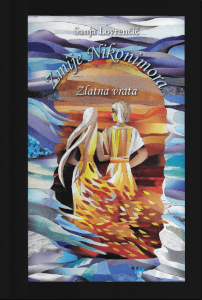
Snakes of Nikonimor, Part III – Gates of Gold

11,00 

The third part offantasy trilogy by Sanja Lovrenčić, written in the genre of alternate history, inspired by the Illyrian proper names and names of places.

In the final part of the saga about the flute player Tisya and palace-builder Arne all the individual stories started in the first two books come to an end. The ancient world is going through a sort of cataclysm, and the main characters finally get together after a long separation. They start a final quest for the “gates of gold”, because only those who get through it would be no longer in the power of time…

Emilija’s Very Extraordinary Adventure

10,00 

Emilija the sheep, Pika Vončina’s calm and pleasantly modest children’s book character, is well-loved in Croatia. The present volume, whose title promises an “Adventure”, is not concerned with a dangerous quest, though Emilija does fly with the wind and dive with the fish. Rather, the little sheep becomes acquainted with the elements, and learns about the special nature of the air, earth, water, and even the stars. This happy dream journey is narrated in a laconic style. Vončina’s characteristic whimsical typography and word play further add to this gentle little picture book, whose plot end where it began: as a good-night-story on the pillow (Age: 4+)


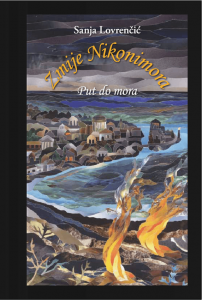
The Snakes of Nikonimor, Part II – The Way to the Sea

11,00 

In the second part of the trilogy by Sanja Lovrenčić the separated lovers Tisya and Arne travel and go through various ordeals.

Tisya is consciously trying to reach the sea, the White Town, the only place from where the ships still sail to the North. But her journey is long, leading her through the wilderness of the Dividing Chain, where she sees, for the first time, Those-Who-Yell-Together. With the help of the salt trader Margan she arrives in the Stone Cells, where she has some strange experiences and then travels on, further down the Yalma coast, where fires of danger are already burning…

At the same time Arne is with the remnants of the northern army of King Gurna, struggling through dangerous underground paths, where the mirror-people Vodjani lurk with their mirages; he does not know that at the end of this road another shore awaits him…

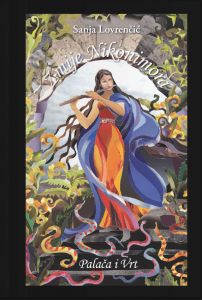
The Snakes of Nikonimor, Part I – The Palace and the Garden

11,00 

The fantastical world of the mountains of Nikonimor, the southern shores of Yalma and Svardija, the Empire of Quadrifolium, the northern parts of Letinen with its great river and mystical rites is revealed through the story of the lovers, Arne the palace-builder, and Tisya, the flute player. In the first part of the Nikonimor trilogy, Tisya and Arne, trapped by cold, separated by a wasteland and wilderness and the slowly approaching cataclysm of the known world, attempt to see each other through the waters of a mysterious lake, and try to remember everything that preceded the hard winter. But the world around them, especially that on the northern borders, is not still…

Pjesme rađanja i umiranja

12,00 

Pjesme rađanja i umiranja zbirka je pjesama ljubavne tematike nagrađivanog autora Igora Grbića. Tema ljubavi razrađena je nekim od tipičnih postupaka – opisom dijelova lica ili tijela voljene, ispreplitanjem ljubavnog odnosa s elementima prirode, uspostavljanjem analogija između osjećaja i godišnjih doba. Ipak, čim pažljivije razmotrimo odnos lirskog subjekta, voljene i kozmosa, uočavamo otklone od niza konvencionalnih motiva i postupaka. U Grbićevoj poeziji lirski subjekt gubi poziciju čvrstog izvora emocije koji se izražava jezikom, a ljubav otvara divlji prostor unutar kojeg subjekt, objekt i svijet u beskraj mijenjaju mjesta (Kada jednom umrem tvojim tijelom/kada svineš dom u mome grobu/naša sreća bit će zamak samo/svakom rođenom u zlatnom dobu.) Time se Grbić upisuje u drugu tradiciju ljubavne poezije konstituiranu još u trubadurskoj lirici, koja ispod denotacije strasti uvijek skriva želju za nastavljanjem simboličke igre. (A.P.)

Hrušt i brodić

14,00 

Svijet je pun opasnosti, naročito za one koji su krhki: za brodić od papira što ga prva kiša može otopiti, za malenog hrušta koji ne može letjeti. Među njima će se, međutim, možda baš zbog zajedničke slabosti, razviti nerazdruživo prijateljstvo. Zajedno ploveći gradskom fontanom, pokušat će razumjeti čuda opasnog i divnog okolnog svijeta: krijesnice i balone, ptičji pjev i ljude koji se, bacajući novčiće u vodu, još uvijek nadaju sreći. A na kraju će se pokazati da i svijet zna biti nježan prema nježnima…


Book #2906

Plavi grad, žuti grad

12,00 

Niz planinu, između brežuljaka, juri potok Jurica; njegov put vodi između Plavog Grada i Žutog Grada. Stanovnici gradova na dvjema obalama podigli su preko potoka drveni most te su otad gradove povezivala mnoga prijateljstva, ljubavi i dječje igre. No samo potok Jurica zna da ljudi na njegovim obalama nisu uvijek živjeli jednako skladno. Jer, jednom davno, stanovnici Plavog i Žutog Grada primijetili su da je most preko potoka dotrajao te ga odlučili popraviti i nanovo obojiti. Postavilo se pitanje kojom bojom. Plavo? Žuto? Plavo? Žuto? Nisu se mogli dogovoriti pa polovicu obojiše plavo, polovicu žuto. No tako su svi bili samo dopola zadovoljni – a dopola nezadovoljni. Njihovo se nezadovoljstvo, korak po korak, pretvorilo u pravi mali rat bojama… sve dok se nije umiješala priroda i podsjetila na rješenje koje su na početku bila predložila djeca.

Od kraja prema početku – priča o Kennyju i Kalleu

10,00 

U svom kratkom tekstu o Kennyju i Kalleu autor se na majstorski način bavi temama prijateljstva i gubitka. To je pripovijest o jednom dječaku i popravljaču bicikla koji žive u istoj gradskoj četvrti – Vesterbro u Kopenhagenu – krajem šezdesetih godina prošlog stoljeća. Kalle, stari morski vuk, uvijek je pun priča; njegove priče i njegov posao privukli su sedmogodišnjeg Kennyja te se između njih dvojice stvara tiho prijateljstvo. No jednoga ljeta, dok dječak provodi školske praznike na moru, njegov prijatelj umire u požaru. Dječak tuguje, ali pronalazi maleno blago: razglednice iz različitih luka u kojima je Kalle bio; one postaju svojevrsna potvrda prijateljstva s Kalleom i dječakova utjeha.