• 0 Knjige - 0,00 
    • Košarica je prazna.

sanja lovrencic

Rijeka sigurno voli poplavu

12,00 

“Istančanošću verbalnog tkiva, sjenovitošću pobuđenih slika, hermetičnošću naslućenih značenja, Sanja Lovrenčić ostvarila je izdvojen, apartan literarni prostor, individualni otočić u arhipelagu suvremenoga hrvatskog pisma…
Stanoviti neoromantičarski ton probija iz naizgled klasicistički organizirane sekvence, ali gospodarska distanca možda je najprikladnija maska za artikulaciju prigušenog krika.” (Tonko Maroević)

Sretan dan u našem kvartu

18,00 

Nova slikovnica Sanje Lovrenčić i Dominika Vukovića prati putanju jedne ruže. Prelazeći iz ruke u ruku, crveni cvijet ocrtava obrise gradske četvrti kroz koju ga nose različiti likovi. Ta četvrt bogat je mikrosvijet u kojem se odvijaju slučajni susreti, mali dnevni rituali te nikad do kraja izrečene ljudske drame. Likovi među kojima ruža putuje pripadaju različitim društvenim skupinama: od šetača pasa, mladih roditelja, prodavačice u dućanu, stanovnice staračkog doma i mlade umjetnice, do marginalaca kao što su ostarjeli beskućnik i ulični svirač. Svi su oni, međutim, povezani jednostavnom gestom ljubaznosti: predajom ruže u sljedeću ruku. Ruža tako postaje metafora zajedništva kojom je pro­tkano gradsko tkivo, unatoč razlikama koje ga prožimaju. Konačno, taj lomljivi cvijet tematizira krhkost svake nježne geste ali – upravo zato – i njezinu ljepotu.
 
Book #6179

The Lives of Troubadours

10,00 

Sanja Lovrenčić’s book presents biographical texts by anonymous authors from the 13th and 14th century that depicted the lives of troubadours. Medival biographical texts about troubadours are a very old testimony about the interest that lives of artist awakened in their contemporaries. In a time where the only biographies written were those of saints and important rulers, poets are the only group of people that defy that rule – by being written about. Their biographies were written in a language that in medieval times, among others, was called “lenga d’oc”. Today this language is mostly referred to as Occitan, and it is considered to have been Europe’s first literary language after the classical period.

A River Certainly does Love the Flood

10,00 

In her first poems Sanja Lovrenčić distanced herself in an elitist manner from the descriptiveness of reality and its usual subjects, but now in the collection A River Certainly does Love the Flood she approaches them in a relaxed manner equipped with elements of fairy tales – dreaminess, flax-ness and cotton-ness. Suddenly, for her, everything is utterable, without the pronounced use of the notional labyrinth or the figurative debris prominent with some other writers (…) Sometimes she would reach for the images that are close to a child’s concept of the world. Naturally, it is only an excuse. We are dealing here with a skilful mimicry of childlike tameness and imagination by the complexity and even aggression of adulthood. For our times, the author is really a gentle poet (but not a coy nor a complaining one) who by no means wants to use parasitic additions to make beauty, but neither does she want to use those purely technical, artificial means with “witchcraft” intentions. She is interested in a “walk with pebbles”. In all probably this is what contributed to her being the laureate of the Kiklop Award for the best poetry collection in the year 2007. (Sead Begović)

Kiklop Award for the best poetry book, 2007.

Notes on the House, Notes from Absence

14,00 

The text of these Notes flows like a mountain stream or breeze: it describes scenes from writers’ residences in which the author stayed for a little over a year, and the reflections associated with these places make up the bulk of the book. These are notes about the journey, woven with the subtle skill of a top connoisseur of language and working with words. Atmosphere, associations and images are innumerable; thoughts, questions – we recognize them all, we ask ourselves all that. But here and there, as when the folds of a fabric are separated by a gust of wind, readers see that this is not all: from the notes made between the trips they catch hints of the horizon of harsh and stupid reality that led the author to go on the road again and again. “You cover reality with a veil and you see better,” she writes in this book. Traveling with clear thoughts and open eyes, Sanja Lovrenčić covers and reveals reality with a unique fabric woven of words. (Iva Valentić, ed.)

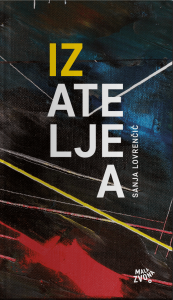
Out of the Atelier

10,00 

New poetry collection by Sanja Lovrenčić.


still life: frozen begonias

brush captures the moment:
the stem still looks solid
ice in its heart makes it
apparently alive
while the sun is shining fervently
upon deep-frozen world

you see in the background:
someone left open
the veranda door
in the coldest night

malicious master painter in the picture
on a piece of auxiliary something
delivery box perhaps in which arrived
everything that’s crammed in the corner
is painting the rotting the gray the weary
plants as they will be
in only a few hours –

but not yet