-
 Chopin
17,00 € × 1
Chopin
17,00 € × 1
 Chopin
 Ukupno : 17,00 €


10,00 €
Diaries by the famous Croatian writer Ivana Brlić Mažuranić, written in the 1880s when she was fifteen to eighteen years old. The book provides insight into teenage life in the 19th century in Zagreb, the charming young character of the writer, her thoughts on literature, life and death, as well as the seeds of conflicts awaiting a female writer – all of which makes it a highly interesting read.
Format: 13,5×20,5
ISBN: 978-953-7760-01-4
Pages: 160
Binding: paperback
Published: 2010.
An architect with previous experience as author, in his new book conceived as a sort of travel journal, Tomislav Pavelić reflects on the (co)relationships between man and nature, space and place, history and the present. At the end of his often erudite considerations, he asks questions that serve as both the starting point and the destination of these journeys. Without offering hasty answers, he invites us to approach universal problems with an open mind, illustrated in concrete examples of the regions visited, which form the colorful and dynamic decor of this book: places like Armenia, Sicily, Andalusia, Albania etc. All of these locations and cultures can teach us something about the past, but at the same time they allow us a clearer view into the murky and uncertain future of our civilization.
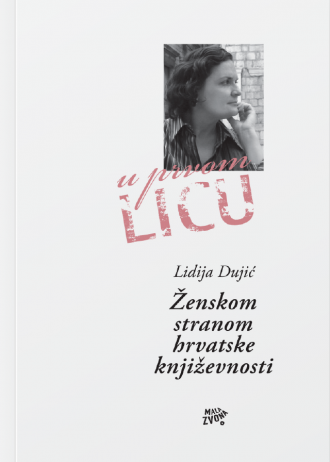
Exploring the feminine side of Croatian literature Lidija Dujić offers a concise and interesting overview of selected segment of the Croatian literary history. She gives biographial sketches of Croatian female writers, explores the reception of their work and cliche images of women writers from the times of Renaissance to the contemporary age. Analyzing and re-valuing some works, recognized under the label of “women’s literature”, the author challenges many commonplace notions – writing in first person singular. The book is based on her doctoral dissertation, but is intended for a wider audience.
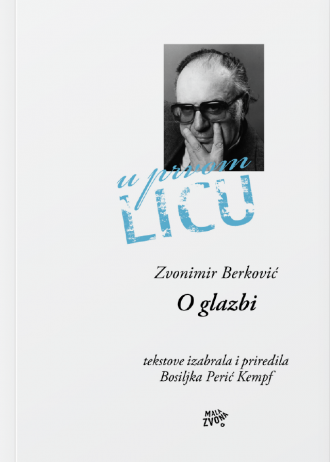
A collectionof music critiques and essays by Croatian film director and erudite Zvonimir Berković. Texts he wrote over several decades for newspapers and magazines are collected in this book and divided into four parts: Critique – Portraits – Meditations – Conversations. Collected and edited by Bosiljka Perić Kempf.
Zvonimir Berković wrote about music only occasionally, in the mid sixties and the first half of the seventies, for several newspapers and magazines. He left chronicles of the music lives of festival cities as Dubrovnik and Vienna, but he also wrote reviews of both local and foreign artists’ performances during the Zagreb concert season. Most interesting, however, are the author’s imagination and subtle (and not only musical) taste in the portraits of musicians, interpreters and composers. Music had a deep impact in Berković’s work of movie director, especially in his “Rondo”, a Croatian classic made in 1966.
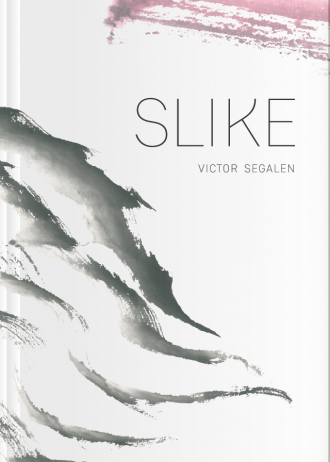
Paintings, a collection of prose poems, brings Segalen’s descriptions of imaginary Chinese visual art: thereby a dialogue is opened not only between different cultures, but also between different artistic media. The reader wanders around these foreign, strange places, sometimes lost, sometimes amazed but is always lead forwards by Segalen’s virtuoso writing.
Mala zvona brings the first integral Croatian translation of this poetic masterpiece.