-
 Yearning for Spring
18,00 € × 1
Yearning for Spring
18,00 € × 1
Ukupno : 18,00 €

 Yearning for Spring
18,00 € × 1
Yearning for Spring
18,00 € × 1 Ukupno : 18,00 €

10,00 €
Diaries by the famous Croatian writer Ivana Brlić Mažuranić, written in the 1880s when she was fifteen to eighteen years old. The book provides insight into teenage life in the 19th century in Zagreb, the charming young character of the writer, her thoughts on literature, life and death, as well as the seeds of conflicts awaiting a female writer – all of which makes it a highly interesting read.
Format: 13,5×20,5
ISBN: 978-953-7760-01-4
Pages: 160
Binding: paperback
Published: 2010.
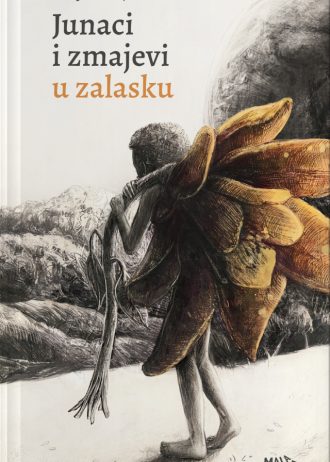
Imagination and a certain freedom in his relation to language as well as an authentic poetical experience characterize Josip Čekolj’s first poetry collection. In four parts – four zeals – the lyrical voice of this young and talented author celebrates the novelty of his first worlds, from the home region, both in a concrete and a symbolic form, to the world of family and first loves. The magic of these poems mostly arises from the peculiar shifts from real to surreal, from bright images that depict an underlying emotion. The author builds his space of words, a space that is built from moments he has experienced. This space is often related to motives that originate in nature and in traditional culture, but it is consistently original, full of surprises and freshness.
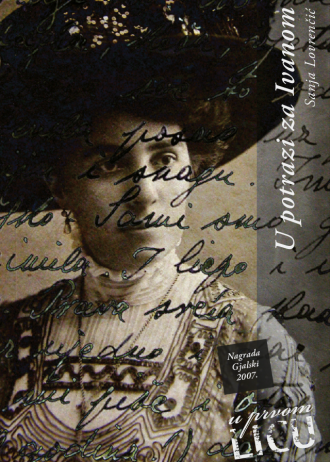
A biographical novel by Sanja Lovrenčić about the Croatian author Ivana Brlić Mažuranić. Written in the first-person singular, the story develops on two levels, in the past and in the present, unfolding around the changing and yet unchanging topics of family relations, artistic creation and female existence in the world of literature.
“K.Š.Gjalski” Award for the best Croatian novel in 2007.
This prose-poetry reader could prove to be one of the key events of the Anglo-Croatian literary exchange in 2025: in it, translator and poet Goran Čolakhodžić brings a selection of prose and verse by the English early modernist, Edward Thomas, one of the most important voices of British poetry and of the generation of artists who perished in the Great War, and a close friend of the American classic Robert Frost. The rhythms of his verse are quiet and unobtrusive; he was above all a poet of the earth, trees, birds, and the human relationship with nature, but his poetry is also characterized by subtle psychological insights and is overshadowed by the coming world conflict. In addition to tackling Thomas’s rhymed verse and selecting some of the most successful fragments from Thomas’s nature writing, travel journals and articles, Čolakhodžić also wrote a critical preface, notes and his own artistic text juxtaposed with Thomas’s – a diary of the arrival of spring in Zagreb in 2025, which highlights the similarities and differences between England and Croatia, the 19th and 21st centuries, reminding us of the impact that climate change and people’s problematic relationship with nature have on our daily life. The painter Iva Valentić provided stunning artistic responses to the texts collected here, connecting Far Eastern techniques with Western literature.