-
 Chet Baker on the Beach
17,00 € × 1
Chet Baker on the Beach
17,00 € × 1
Ukupno : 17,00 €

 Chet Baker on the Beach
17,00 € × 1
Chet Baker on the Beach
17,00 € × 1 Ukupno : 17,00 €
17,00 €
A book on Frederic Chopin written by his colleague and friend Franz Liszt. Croatian translation of the first French edition. Preface by pianist Veljko Glodić, professor at the Music Academy in Zagreb.
Format: 13,50×20,5
ISBN: 978-953-7760-12-0
Pages: 180
Binding: paperback
Published: 2011.
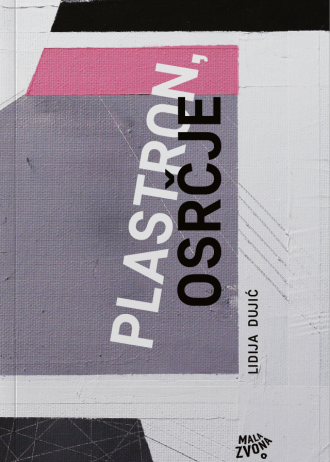
The third book of poetry by Lidija Dujić, Plastron, Pericardium, includes five cycles of poems: Growers of Ice, The Time of the Desert, A Plate of High Tide, Wagon Tracks and Crop Rotation and Bunker of Angels. It is a poetry full of daring images, unusual associative sequences, rich with references to various fields of human experience. Combining elements from different language levels, the (erudite) author shapes and produces her poetic reality, with its own optics and artistic logic.
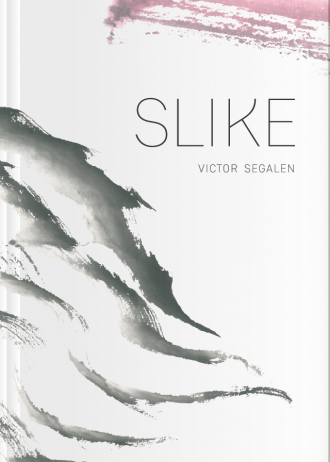
Paintings, a collection of prose poems, brings Segalen’s descriptions of imaginary Chinese visual art: thereby a dialogue is opened not only between different cultures, but also between different artistic media. The reader wanders around these foreign, strange places, sometimes lost, sometimes amazed but is always lead forwards by Segalen’s virtuoso writing.
Mala zvona brings the first integral Croatian translation of this poetic masterpiece.
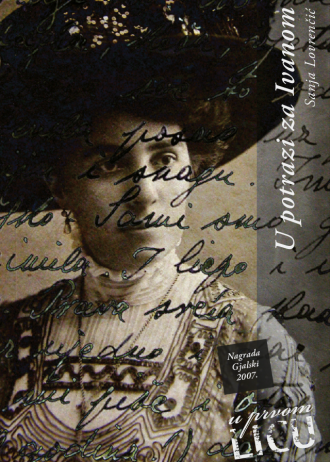
A biographical novel by Sanja Lovrenčić about the Croatian author Ivana Brlić Mažuranić. Written in the first-person singular, the story develops on two levels, in the past and in the present, unfolding around the changing and yet unchanging topics of family relations, artistic creation and female existence in the world of literature.
“K.Š.Gjalski” Award for the best Croatian novel in 2007.
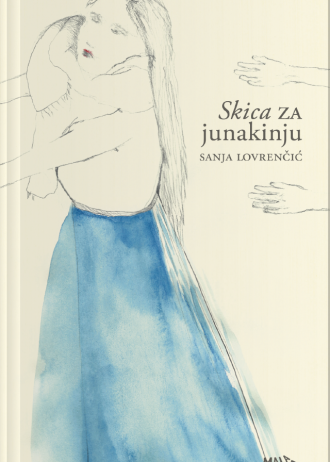
As a poet of proven skills, Sanja Lovrenčić sketches a mysterious heroine. Who is she? After reading, it is up to us to conclude. Or to let her continue to take shape within us for a long time. For, this collection of poems counts on the cooperation of a careful watcher and listener, a curious reader sensitive to language and its beyond. Sanja Lovrenčić invites us on an adventurous poetic journey through the poems/episodes of a very special, never fully expressible or sharply drawn protagonist, with whose joys, doubts, insights and resignations we easily empathise. (Dorta Jagić, ed.)
Longlisted for the Kamov Award 2021