-
 A Hounted House
13,00 € × 1
A Hounted House
13,00 € × 1
Ukupno : 13,00 €

 A Hounted House
13,00 € × 1
A Hounted House
13,00 € × 1 Ukupno : 13,00 €

10,00 €
Diaries by the famous Croatian writer Ivana Brlić Mažuranić, written in the 1880s when she was fifteen to eighteen years old. The book provides insight into teenage life in the 19th century in Zagreb, the charming young character of the writer, her thoughts on literature, life and death, as well as the seeds of conflicts awaiting a female writer – all of which makes it a highly interesting read.
Format: 13,5×20,5
ISBN: 978-953-7760-01-4
Pages: 160
Binding: paperback
Published: 2010.
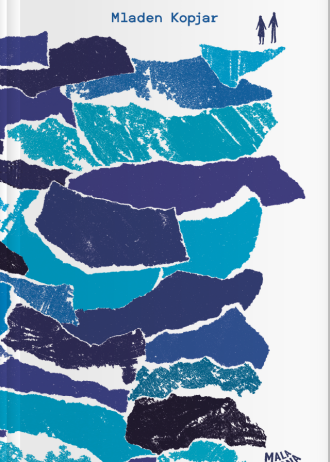
Mladen Kopjar is an author with extensive experience in writing different types of literary texts. In “Point Nemo”, his first collection of poetry, this experience is reflected in the ease and skill with which he builds his poetic world, as well as in his thoughtful and consistent poetics. The origins of the poems are usually in everyday life, its spaces, objects, small events, memories, but thanks to the gift of observation and skillful selection of details, the author skillfully avoids the superficiality and banality of “realistic” writing. Freedom and imagination lead him from concrete experience to surreal images in which personal associations are mixed with various fragments from the ubiquitous virtual space. But the unique tone of this collection stems from the deep emotionality with which the whole is imbued; the author addresses (or talks about) his loved ones: wife, child, parents, meandering through areas of tenderness and pain. In that intimate space, the outside world is mirrored in flashes; the original clash between an authentically, intensely internal world and a diverse, sometimes aggressive external world gives this poetry strength and interest.
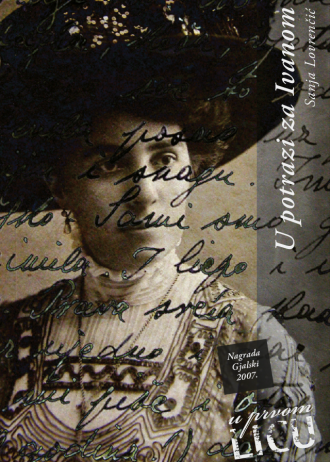
A biographical novel by Sanja Lovrenčić about the Croatian author Ivana Brlić Mažuranić. Written in the first-person singular, the story develops on two levels, in the past and in the present, unfolding around the changing and yet unchanging topics of family relations, artistic creation and female existence in the world of literature.
“K.Š.Gjalski” Award for the best Croatian novel in 2007.
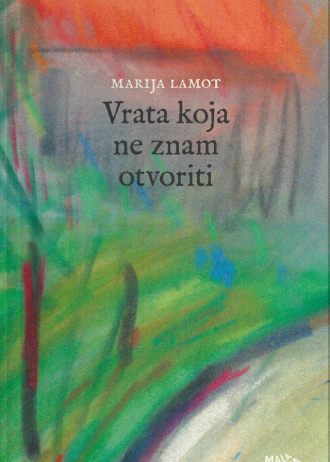
There is a door that we don’t know how to open. Behind them lies the solution to the riddle, the beginning-and-end. This door leading to afterlife or to the void, are constantly present in some way in the ninth poetry book of the noted Croatian author Marija Lamot. But there are also numerous smaller doors that open wide in her poems – doors leading to memories, landscapes, mirrors, moments scattered in time, flashes of an intense present. They lead into the night, into bright light, into a classroom where philosophy is discussed, into family spaces and, above all, to trees and other beings that do not speak in human voices.
This collection of short texts enitled “#openwindow” is an outstanding example of how high-quality and original literature can be created on social media. For a year, author Aida Bagić wrote morning notes while looking out the window in her bedroom and published them on social media, with accompanying photographs. This project was called #openwindow, and resulted in a variety of texts – prose and poetry fragments, comments on daily events, notes on dreams and memories, wordplay and sketches of fairy tales. Often meditative, sometimes factual or playful, they reveal that the author is a skilled writer with an experience in writing poetry. Collected in this book, these notes show how an everyday object can stimulate our imagination, reflection, and introspection. Created in front of a window that opens onto external landscapes, they outline the author’s world of thought and emotion as a unique and interesting inner landscape. These texts are also an invitation to readers to think about their own everyday life, about ways in which they could rethink it so that it is not only more bearable, but also a source of genuine curiosity, sometimes even joy.